
How to Build a Farm in Stardew Valley: A Complete Beginner’s Guide
Starting a new farm in Stardew Valley is one of the most rewarding experiences in the game. When you first arrive in Pelican Town, you’ll inherit an old piece of land covered with weeds, rocks, fallen branches, and trees. Although it may look overwhelming at first, every successful farm begins exactly the same way.
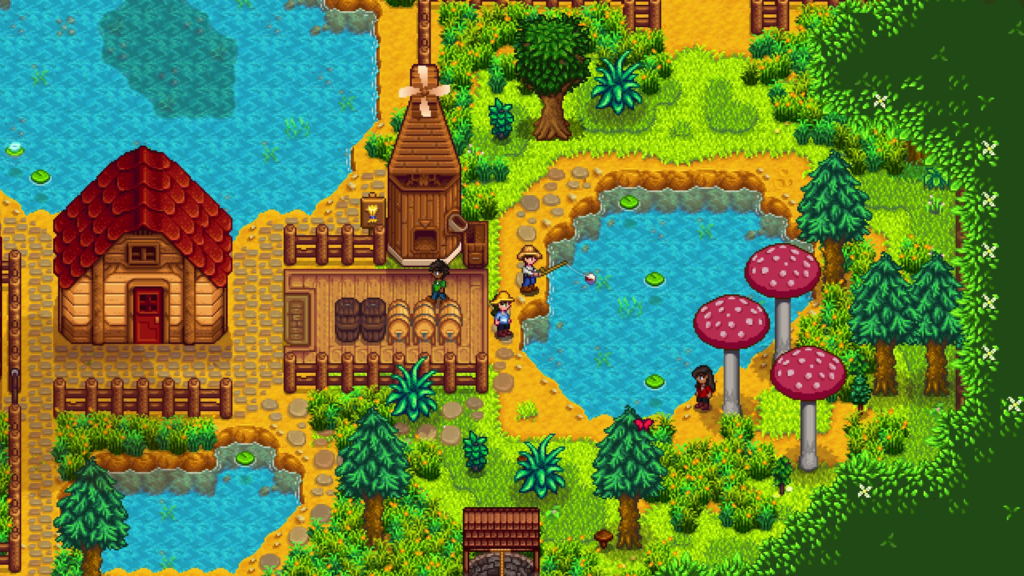
This guide explains how to build an efficient and profitable farm from the very beginning.
Choose the Right Farm Layout
Before your adventure begins, you’ll need to select a farm map. Each layout offers a different experience.
- Standard Farm provides the largest farming area and is ideal for beginners.
- Riverland Farm is great for players who enjoy fishing.
- Forest Farm offers renewable hardwood and forage items.
- Hill-top Farm includes mining resources.
- Four Corners Farm is perfect for multiplayer or organized farming.
- Meadowlands Farm is a balanced option for new players.
If you’re playing for the first time, the Standard Farm is usually the easiest choice.
Clear Your Starting Land
During the first few days, focus on cleaning only the space you actually need.
Remove:
- Small rocks
- Weeds
- Branches
- A few trees
Don’t try to clear the entire map immediately. Your energy is limited, so use it wisely.
Plant Your First Crops
After clearing a small area, use your hoe to prepare the soil.
The starter parsnip seeds are perfect for learning the farming system.
Remember to:
- Water crops every morning.
- Protect your energy by avoiding unnecessary work.
- Harvest crops as soon as they are ready.
As you earn gold, reinvest it in better seeds instead of spending everything on decorations.
Build a Basic Farm Layout
A simple layout makes daily tasks much easier.
Keep your crops close to your farmhouse during the early game. Leave enough walking space between planting areas so watering becomes faster.
Place a storage chest near your farm entrance to organize tools, seeds, wood, stone, and other materials.
Planning your layout early will save time as your farm grows.
If you’d like additional beginner tips, layout ideas, and gameplay explanations, you can also explore the Download Stardew Valley APK Guide, which provides more information for players starting their farming journey.
Upgrade Your Tools
The basic tools work well in the beginning, but upgrading them makes farming much easier.
Prioritize:
- Watering Can
- Pickaxe
- Axe
- Hoe
Better tools use less energy and allow you to complete larger tasks more efficiently.
Build a Coop
Once you’ve earned enough resources, visit Robin’s Carpenter Shop to build your first Coop.
Chickens provide eggs every day, creating a reliable source of income.
Make sure to:
- Feed your animals daily.
- Pet them regularly.
- Upgrade the Coop as your farm expands.
Happy animals produce better-quality products.
Add a Barn
After your Coop is running successfully, consider building a Barn.
Barn animals include:
- Cows
- Goats
- Sheep
- Pigs
Animal products such as milk and cheese can become one of the most profitable parts of your farm.
Use Sprinklers
Watering crops by hand becomes difficult as your farm grows.
Sprinklers automatically water nearby crops every morning, saving both time and energy.
Quality and Iridium Sprinklers are especially valuable because they cover larger areas.
Plant Crops Every Season
Each season has unique crops.
Spring
- Parsnips
- Potatoes
- Cauliflower
- Strawberries
Summer
- Blueberries
- Melons
- Peppers
- Corn
Fall
- Pumpkins
- Cranberries
- Grapes
- Eggplants
Choosing profitable seasonal crops helps your farm grow faster.
Earn More Gold
Building a successful farm isn’t only about planting seeds.
You can also earn money by:
- Fishing
- Mining
- Foraging
- Selling artisan goods
- Completing community requests
Diversifying your activities provides a steady income throughout the year.
Expand Gradually
Avoid trying to build everything at once.
Instead:
- Increase your crop fields little by little.
- Add more animals when you can afford them.
- Upgrade buildings over time.
- Improve paths and fences as your resources grow.
A steady expansion is easier to manage and keeps the game enjoyable.
Final Thoughts
Building a successful farm in Stardew Valley takes patience rather than speed. Start with a small crop field, organize your farm carefully, invest in better tools, and gradually add animals and new buildings. As the seasons pass, your once-abandoned land will become a thriving farm filled with crops, livestock, and endless opportunities for adventure.
Every farm develops differently, so don’t be afraid to experiment with new layouts and strategies. With consistent progress and smart planning, you’ll create a farm you can be proud of for many in-game years.